
Serving Scotch Plains, NJ and the Surrounding Communities.
Visiting Angels
SCOTCH PLAINS, NJ
1801 E 2nd St, Scotch Plains, NJ 07076
Phone: 908-322-0056
Fax: 908-322-0066
At first, someone who has been diagnosed with dementia will experience mild dementia symptoms, such as missed appointments and asking the same question multiple times. However, dementia is progressive. While a loved one might seem stable right now, over time their condition will change and begin to impact more and more of their daily life. Receiving specialized care in a familiar place that they feel safe and comfortable in can reduce the impact of these changes. In-home dementia care from Visiting Angels Scotch Plains ensures seniors with this condition receive personalized support from compassionate professional caregivers at every stage.
Is Dementia Just Memory Loss?
Occasional memory loss is not a sign that someone has dementia. It is normal for older individuals, and even younger individuals, to occasionally misplace an item, forget to pay a bill, or miss an appointment. When memory loss becomes more frequent and starts to impact their daily life, that’s when it becomes a reason to speak with your loved one’s doctor.
Common signs that your loved one might be experiencing dementia include:
- Getting lost in places they are familiar with
- Neglecting their hygiene
- Consistently missing payments
- Mood swings and irritability
- Losing track of the date or season
- Misplacing important items
- Frequently forgetting people’s names and beginning to avoid social situations
- Having trouble following a recipe or directions
- Repeating the same questions
Dementia Is Not the Same as Alzheimer’s
Alzheimer’s is just one type of dementia. Dementia is a catch-all term for a series of conditions that impact a person’s ability to think, problem-solve, or remember in a way that impacts their daily life. These conditions are irreversible and progressively worsen over time. The timeline for how these symptoms progress varies from person to person. Below are some of the most common types of dementia:
Alzheimer’s Disease: Alzheimer’s disease is the most common type of dementia and includes symptoms like memory loss, erratic or unpredictable behaviors, and mood swings. The exact cause of Alzheimer’s disease is not fully understood, although researchers believe genetic factors may play a role.
Vascular Dementia: Vascular dementia occurs because of damaged blood vessels supplying oxygen to the brain. They can happen because of narrowed blood vessels, small blockages or bleeds, or because of a stroke. Common symptoms include sluggish thinking, unsteady gait, difficulty concentrating or focusing, and concerns with solving problems or making decisions.
Lewy Body Dementia: Lewy body dementia happens when abnormal protein deposits, called Lewy bodies, build up in the brain. When these proteins accumulate in the regions of the brain responsible for thinking, memory, and movement, they can damage brain cells and interfere with the brain’s ability to function. Symptoms may include changes in thinking and reasoning, memory loss, sleep disturbances, recurring visual hallucinations, depression, movement difficulties, problems regulating automatic body functions such as pulse and digestion, and confusion.
Mixed Dementia: In mixed dementia, a person may have multiple types of dementia at once, like Alzheimer’s and vascular dementia. This could be a combination of Alzheimer’s disease and vascular dementia, for example. As a result, they will have symptoms associated with both conditions.
Reducing Common Behavior Changes in Dementia
Behavior changes are a natural part of dementia. Many families find that their loved ones are not the same with dementia as they were before, and that can be emotionally taxing to experience. It’s not fully understood why many of these changes happen, such as the case with sundowner’s syndrome, but there are ways that you, a professional caregiver, or a doctor can help manage the symptoms to be less stressful for you and your loved one.
Responding to a Loved One’s Confusion
Confusion is a common symptom of dementia. Many family members often feel helpless or hurt when their loved one forgets their names or the names of other people, are unable to recall recent events, or talk about someone who has died believing they are alive. It can create difficult interactions between loved ones, their family members, and other people the senior may interact with.
Some common ways that help make it easier to reduce stress include:
- Stepping into their reality
- Using brief explanations and gentle corrections
- Using distractions and diversions
- Responding to the feelings your loved one has not the words they are saying
- Remember to care for your own well-being during difficult interactions
Wandering Isn’t Always Aimless
Another common behavior associated with dementia is wandering. In a safe and secure environment, this is not necessarily a bad thing. People with dementia often wander for many reasons. They might feel bored, sick, too cold, or too warm. They may also be searching for someone or something, trying to complete a familiar task from the past, or needing to use the bathroom. Trying to stop someone from wandering is not sustainable and might cause agitation and confusion.
With that said, unsafe wandering can result in getting lost or injured. So, working with a professional caregiver and setting up your loved one’s home can ensure your loved one can wander in a way that is safe for them and gives you peace of mind. Some common tips to keep wandering safe include:
- Installing cameras and alarms that alert you if they open the door
- Placing nightlights throughout the home to reduce falls at night
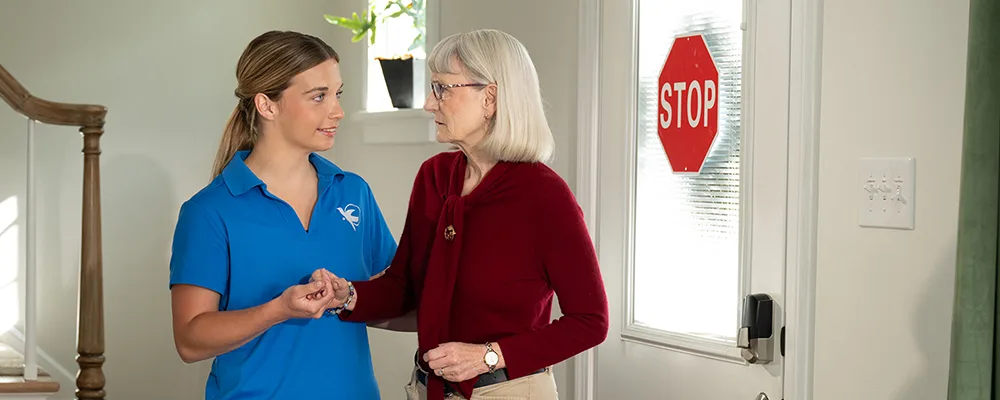
- Cover doors with wall clings or stop signs to prevent them from wandering through doors you don’t want to be accessed
- Remove the spark plugs from their vehicle but allow them to keep their keys
- Keep walkways clear of tripping hazards
- Fence off outdoor boundaries if your loved one enjoys being outside
- Alert neighbors to be on the lookout if possible
- Prepare familiar tasks or dementia activities for them to do
Support for Family Caregivers
Caring for someone with dementia is often a full-time commitment, especially as the condition progresses. It is common for caregivers to experience burnout as they over time spend more caring for their loved one and less on their own self-care. Taking a break is perfectly acceptable and something that you deserve to do. Signs of caregiver burnout can include feelings of fatigue, anxiety, physical pain, guilt, and resentment that can make taking care of your loved one more difficult and less effective.
Having an in-home respite care service that has dementia care training enables you to take some time away from your loved one so you can take care of yourself. How often the respite care is utilized depends on your specific needs and is customizable and changeable over time.
Can Someone With Dementia Care for Themselves at Home?
During early dementia stages, you might feel like your loved one will be able to take care of themselves at home. However, starting their dementia care early can allow them to get used to having an in-home personal caregiver that helps them with things like grocery shopping, remembering appointments, meal planning, and ensuring they do not get lost in familiar areas. All while they can stay at home in an environment that remains familiar as their symptoms progress.
Talk With Visiting Angels in Scotch Plains
No matter where your loved one is in their dementia journey, receiving quality, specialized care is vital to helping them remain safe in the environments that already bring them comfort and familiarity. To learn more about our dementia care offerings, call us at 908-322-0056.
Serving Scotch Plains, NJ and the Surrounding Communities.
Visiting Angels
SCOTCH PLAINS, NJ
1801 E 2nd St, Scotch Plains, NJ 07076
Phone: 908-322-0056
Fax: 908-322-0066